
 By owais
 I was in a studio last week watching someone use a red light panel while scrolling through their phone — casual, like taking a coffee break. In the same week, the market for photobiomodulation devices grew by double digits (yes, the charts say that). The red light therapy company scene is buzzing: consumers want faster recovery, clearer skin, and fewer side effects. So I have to ask — are brands actually solving the real problems, or just selling glow? I’ll keep this short and honest. We’ll touch on LED arrays, wavelengths, and irradiance — but in plain words. Next up: why the surface-level pitch hides a few big practical headaches.
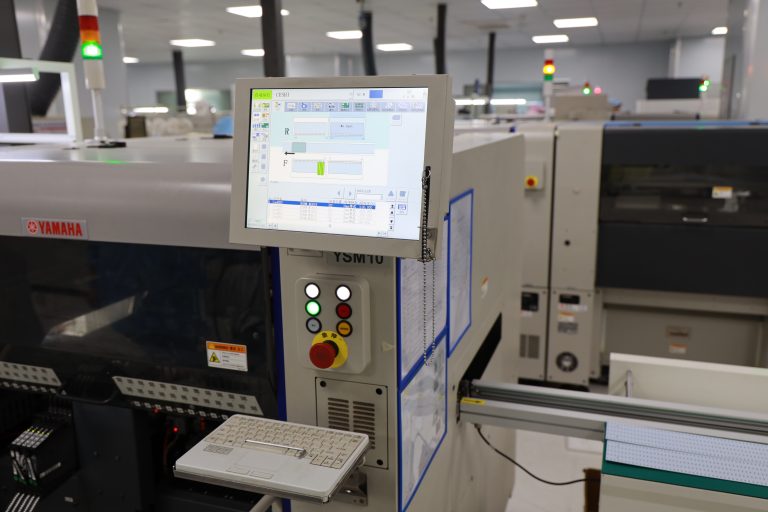
best company for red light therapy comes up a lot in my conversations with users and pros — and for good reason. But many typical devices still miss the mark. Technical specs often look great on paper: advertised power density, spot size, and wavelengths. In reality, devices with low irradiance need long sessions to do anything meaningful. That’s inconvenient. I’ve seen people stop halfway through a regimen because sessions felt endless. Look, it’s simpler than you think — consistent dose matters more than flashy numbers. One big flaw: uneven LED arrays that create hot and cold spots on the skin. That means some areas get therapeutic fluence while others get almost nothing. Another issue is vague wavelength claims; users get told “near-infrared” without clear numbers or proof. We should be asking for real metrics — not marketing lingo. (Also — funny how that works, right?)
User trust erodes when promised results don’t show. I’ve had athletes tell me devices felt “nice” but didn’t speed recovery. Beauty clients report reduced redness, yet no change in deeper scarring. These are hidden pain points: wasted time, money, and hope. The industry throws around terms like photobiomodulation and fluence, but few explain how those translate to real sessions. I prefer clarity — dose, session length, and measurable outcomes. That’s what separates gimmicks from tools.
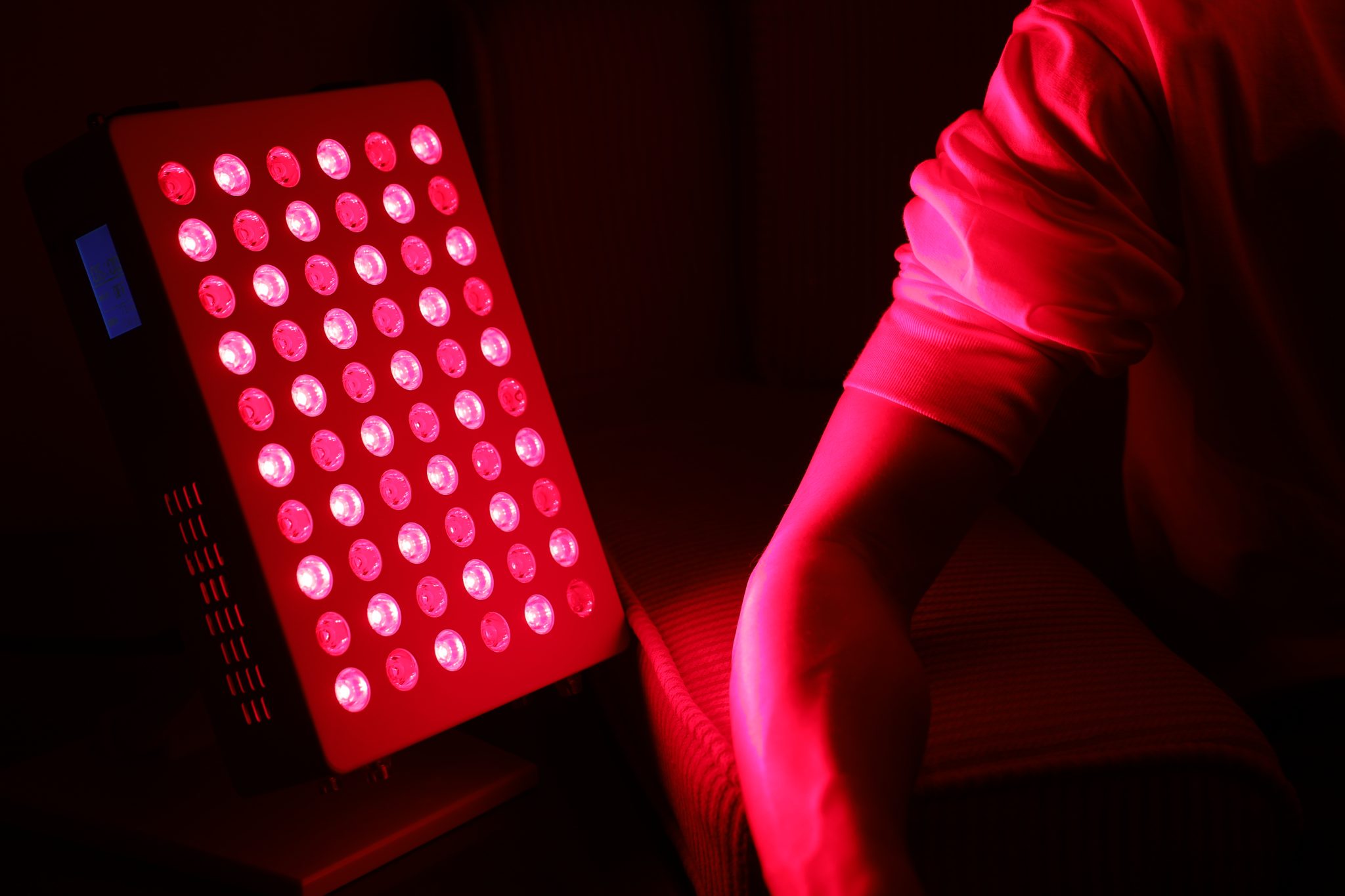
Looking forward, the shift I expect is toward systems that pair good hardware with smart feedback. New technology principles center on three ideas: calibrated wavelength delivery, controlled power converters, and session monitoring. Devices that report actual irradiance at the skin and adjust output in real time will win trust. I’m talking about real feedback loops — sensors that measure temperature and delivered fluence, then tweak LED output. That’s not sci‑fi; it’s engineering we can build now. If you’re comparing brands, check whether the company validates their claims with third-party testing and whether they explain how LED arrays are packed and cooled. Better cooling equals consistent performance. — honest to goodness, that detail matters.
Here are three quick evaluation metrics I use when I test a product: 1) Measured irradiance at typical use distance (not peak, but average). 2) Stated wavelengths with +/- tolerance. 3) Real-world session guidance tied to outcomes (e.g., “10 minutes at X cm for muscle recovery”). These are easy to ask for and hard to fake. If a brand can’t show those, I get skeptical fast. — and you should too. One last practical note: while innovation matters, usability makes or breaks long-term adoption. If the app is clunky or sessions feel onerous, people stop using the tech. The winners will balance rigorous specs with simple, repeatable routines that fit daily life.
To wrap up: I believe the best solutions come from companies that are honest about dose, clear about wavelength, and obsessed with consistent delivery. That’s why I keep returning to best company for red light therapy during my research — they tend to answer the hard questions. If you’re shopping, use the three metrics above as your checklist. In the end, choose the tool that respects your time and delivers measurable results. For me, that kind of clarity matters — and it should matter to you too. Magique Power
 Admin
Admin