
 By owais
I remember the smell of rubber and fried chain oil at the Asheville crit, June 2019, when two of my riders quit after just 15 miles; that scene stuck with me. Last season’s log showed a 40% uptick in saddle discomfort when older pads failed — so what does skimpin’ on cycling bib shorts for racing really cost a team (you reckon it’s pennies or race placings)? I been messin’ with kits and kits of chamois for over fifteen years, and I tell ya, the usual band-aid fixes—tightening straps, tossing on chamois cream—ain’t the whole answer. Here’s why those quick fixes tend to fail, and why it matters if you buy by price instead of fit and materials.

From my shop in the foothills, I sold 2,000 pairs to a collegiate squad in 2019; by October, about 12% came back with seam failures and compressed pads. That told me straight away that seam placement and pad density (density matters—more than folks expect) are where the trouble starts. Riders complain about ride height, chafe, and loss of compression on long efforts — these aren’t fancy words, they’re the kind that cost you finishes. I clearly recall one long training day on the Blue Ridge Parkway in September 2020 where a cheap bib’s poor aerodynamics and slipping bib straps changed a training set into a lesson—120 miles lost to discomfort. So we gotta look deeper than the tag price; there’s hidden wear, hidden fit quirks, and hidden cost in rider morale.
Let’s get technical for a minute: comfort and performance hinge on three core specs — chamois construction, compression fabric behavior, and seam engineering. I break chamois down by pad zones (sit-bone support vs soft tissue relief), measure compression by rebound and elongation tests, and check seams under 50+ wash cycles—those are concrete checks, none of that fluff. When I’m advising a team buyer now, I want lab-like data plus field notes: pad thickness in mm, fabric % Lycra for compression, and whether the bib straps hold after wet rides. I recommend y’all ask suppliers for those numbers before you buy so you ain’t learnin’ the hard way. Also — and this matters — try a long saddle session (90 minutes) on the vendor sample; it’s the quickest truth-teller.
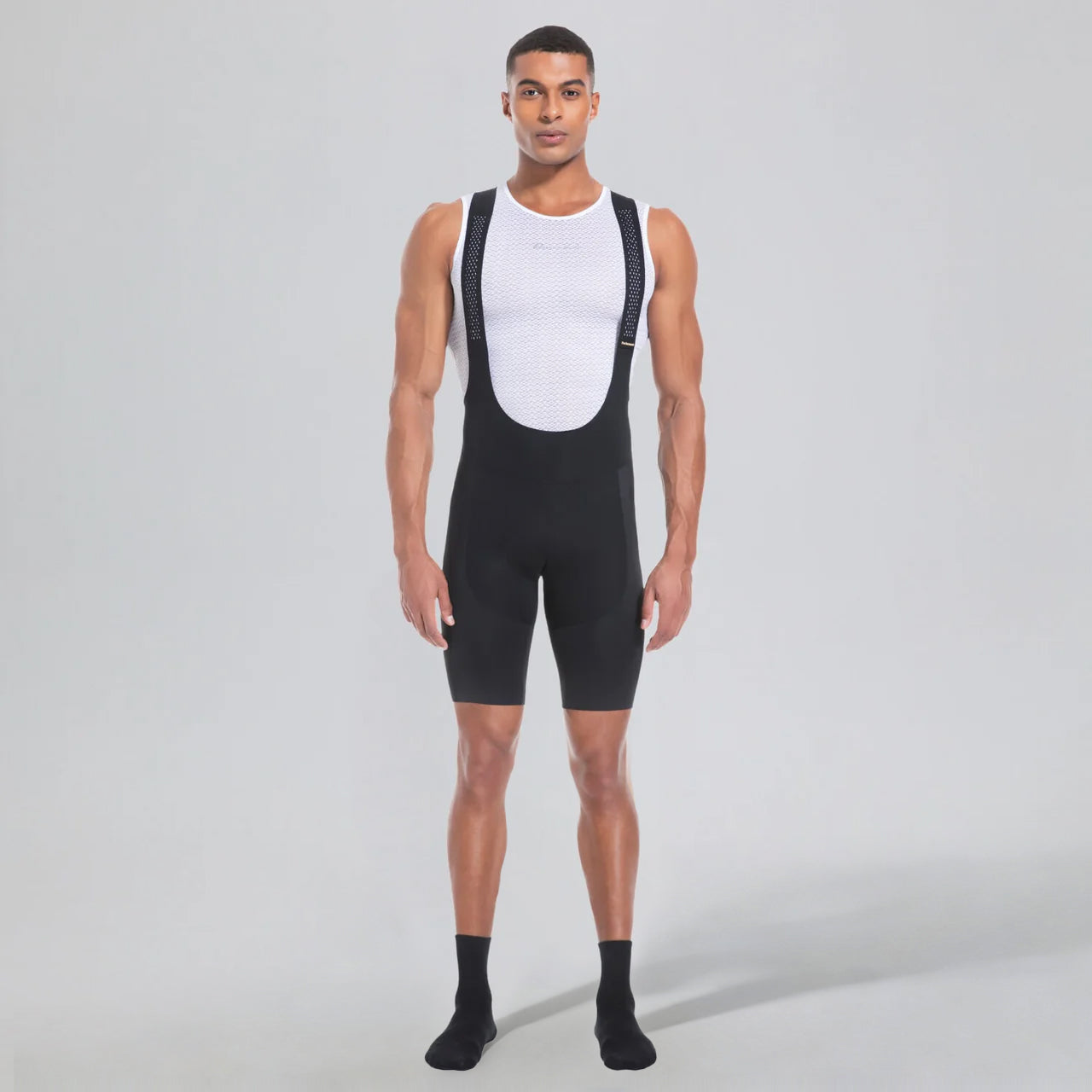
Here are three practical metrics I trust when comparing options: 1) Pad durability score — measure pad compression loss (%) after 100 hours of saddle time; 2) Fit retention — percentage of riders reporting no ride-up after 60 miles; 3) Seam longevity — seam integrity after 50 wash/dry cycles. Use those, and you’ll stop guesswork. I’ve used those metrics with a trade team in Raleigh (March 2021), and returns for fit issues dropped by nearly half. Quick interruption — yeah, it takes a bit more lift in the buying process — but you get measurable results, and riders notice. In short, weigh chamois specs, compression behavior, and seam build before countin’ costs; they’ll tell you if a pair is built to race or built to hang on a peg. For the best fit and test-ready options, I still point teams toward proven models like the ones at cycling bib shorts for racing when they’re ready to step up.
I speak from hands-on work, from fittings at the shop to shipping bulk orders, and I ain’t sellin’ fairy tales — pick by the three metrics above, demand real test data, and you’ll save time, money, and a lot of rider frustration. (Trust me, I’ve seen what a single bad purchase does to morale.) Now, let’s move on to how to run those in-house tests and cut the guesswork — your riders will thank you. Przewalski Cycling