
 By owais
 I’ll make a short claim: the lights in a barn are no longer just fixtures — they’re farm instruments. In many operations today, led barn lights already cut energy bills by 40–60% while improving lumen output and evening out CRI across the flock area. Picture a winter morning: workers arrive to a dim, uneven barn and birds that take longer to feed. That scenario costs time and money (and patience). National studies show poor lighting schedules can shave several percentage points off feed conversion and egg production, which begs the question — how should we rethink lighting as part of an efficient farm system? I’ll walk you through what I’ve seen work, the common missteps, and how to compare modern options. — then we’ll dig into the deeper problems behind current choices.
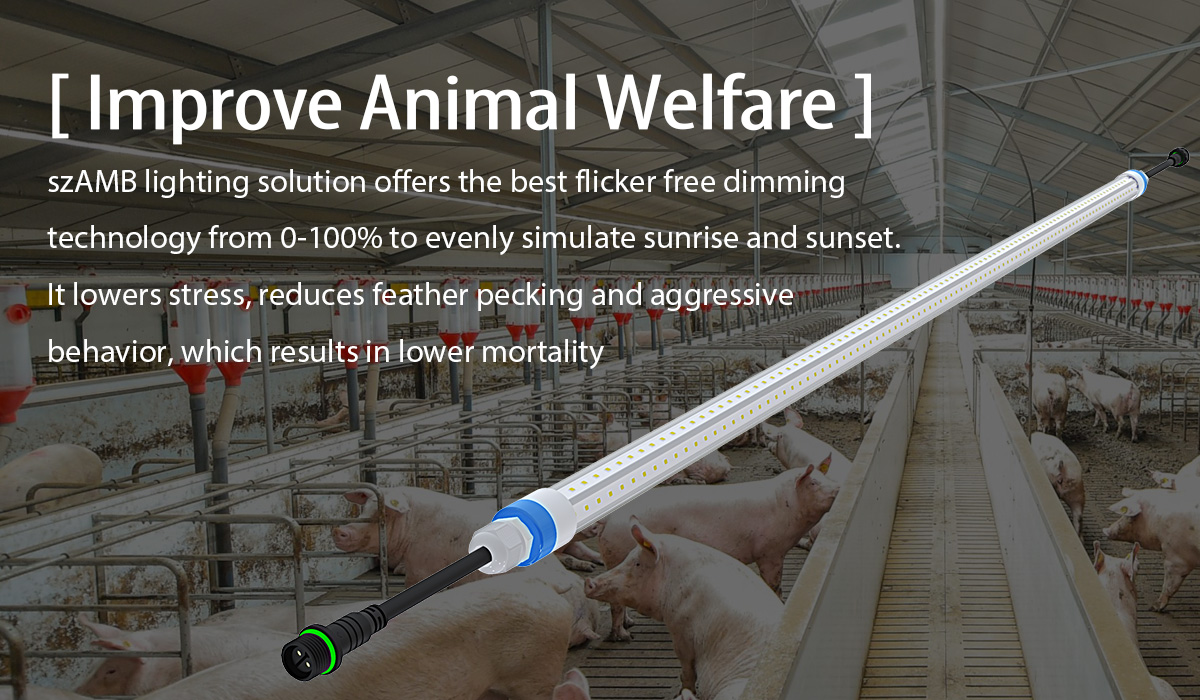
When I review old barns I often find the same patterns: outdated ballast systems, flicker from weak LED drivers, and weak control strategies. For anyone researching poultry house lighting, these are not abstract issues — they show up as uneven photoperiods, stress in birds, and higher maintenance costs. Technically, many retrofit jobs ignore compatible power converters and end up with color shifts or early module failures. Look, it’s simpler than you think: if the driver and fixture aren’t matched, you get heat buildup and shortened lifespan. I see managers replace bulbs yearly instead of tuning the control strategy.
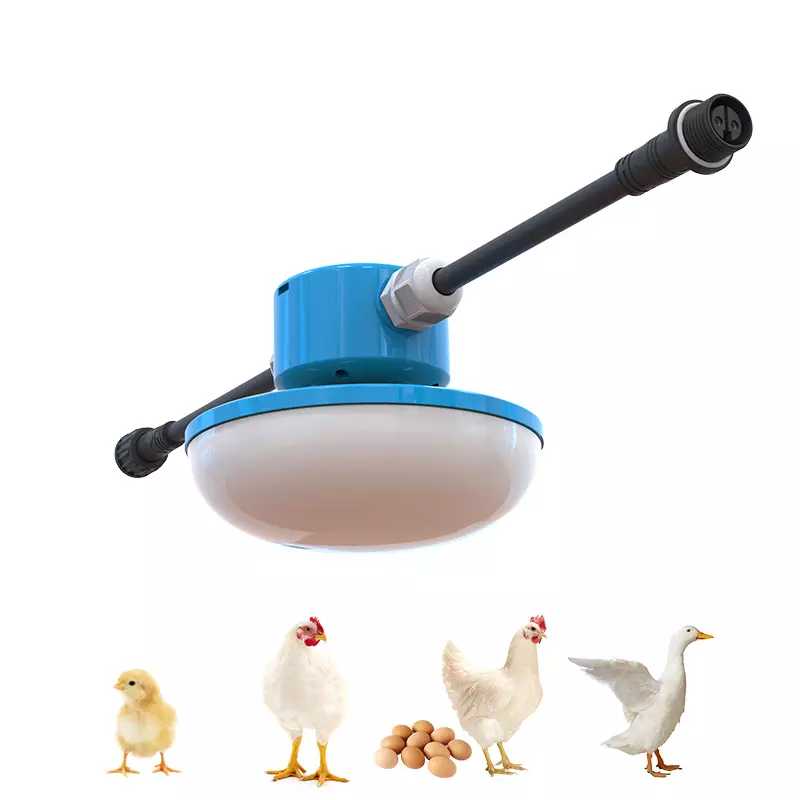
Why do old systems fail? Well, two main reasons. First, original designs expected fluorescent ballasts and constant-voltage behaviors, not modern dimmable drivers. Second, control systems were often bolted on as an afterthought — timers instead of sensors, fixed cycles instead of adaptive schedules. These flaws create hidden pain points: higher repair bills, poor light uniformity, and inconsistent photoperiods that disrupt growth. I’ve tracked farms where small wiring faults or one bad converter led to cascading outages — and that’s more than an annoyance. The birds notice. The staff notices. — It all adds up.
Because lighting affects behavior. I’ve measured feed intake shifts when lux levels vary by just 20%. When you consider maintenance, energy, and animal welfare together, the old “just replace bulbs” approach looks short-sighted. We need to compare whole-system outcomes, not just fixture costs.
Moving forward, I favor systems designed as integrated platforms. For poultry house lighting, that means fixtures with matched LED drivers, controls that read actual lux and adjust photoperiods, and sensible power converters that handle voltage swings. The principle is simple: measure, control, and optimize. You can add edge computing nodes for local decision-making, or keep it basic — both can work if the components are chosen to operate together. In practice, I’ve seen farms cut downtime and even boost uniformity when they moved from standalone timers to sensor-driven schedules. The gains aren’t magic — they’re engineering plus better operational habits (— funny how that works, right?).
What’s next for farms deciding between options? First, design for compatibility. Second, favor modular systems so you can upgrade drivers or sensors without gutting the wiring. Third, track outcomes: energy use, maintenance hours, and bird performance. These metrics tell the real story. Below I offer three practical evaluation metrics to choose by — clear, measurable, and useful.
1) Energy per unit output: compare kWh per 1,000 lumen-hours under actual barn conditions. 2) Control responsiveness: test how quickly dimming schedules adapt to sensor input and whether drivers support smooth PWM or current dimming. 3) Total cost of ownership: include driver life, expected maintenance, and replacement parts — not just fixture price. I use these metrics when I consult, and they cut through marketing noise. If you follow them, you’ll pick systems that save money and reduce hassle.
In short — prioritize matched drivers, sensible controls, and clear metrics. I’ve been in barns where small changes made a big difference, and I believe most farms can make similar gains without drama. For more practical gear and guidance, check szAMB at szAMB.
 Admin
Admin