
 By owais
 I’ll say it straight: welding fumes are the stealth enemy on every shop floor — and if you ignore them, your team pays the price. In automotive manufacturing welding fume extraction is not just a checkbox; recent surveys show airborne particulate levels can spike by 3–10x during high-volume spot welding runs, and those spikes correlate with sick days and rework. (Yes, I’ve seen the spreadsheets.) So what really cuts the risk: a fancy hood, better filters, or something smarter — and how do we pick one without breaking the line? I want to walk you through the messy facts, the tools, and the trade-offs so you can make a clear call next time the plant manager asks for a solution shift.
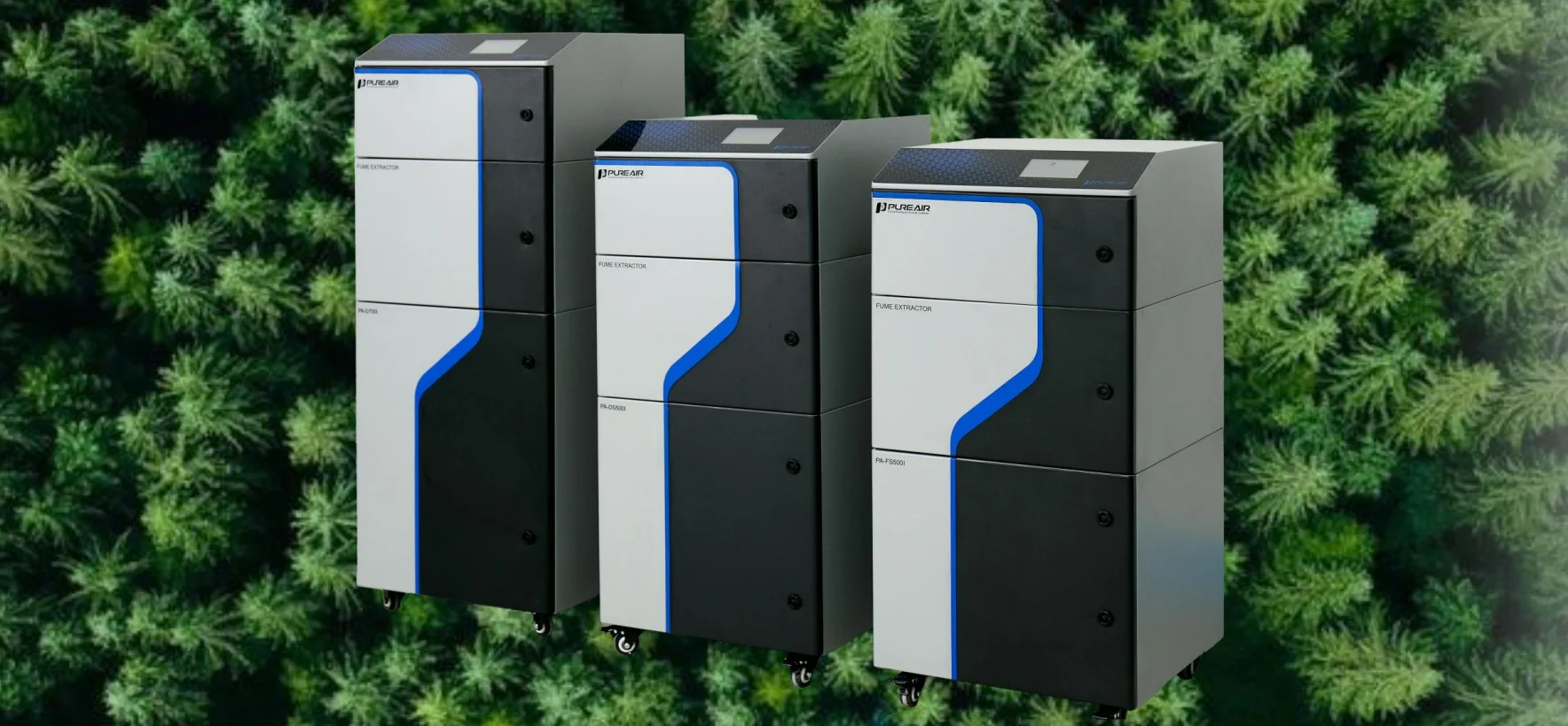
I’m going to zero in on a piece of the puzzle that gets overlooked: the actual performance gap between installed gear and what the floor needs. A lot of teams buy a welding fume dust collector because the spec sheet looks great. But the reality is different. Traditional capture arms sag, local exhaust ventilation (LEV) reaches only parts of the weld zone, and filtration media loads faster than maintenance schedules assume. That mismatch shows up as higher particulate concentration around operators, more filter swaps, and surprise downtime. I’ve walked lines where the unit was “working” but the weld cell still had visible haze — frustrating, and costly. Look, it’s simpler than you think: a system that performs on paper often fails in a busy line because of airflow losses, incorrect hood placement, and poor integration with the robot cell.
Here’s the technical breakdown I use with engineers: poor hood design reduces capture velocity, duct bends and undersized power converters drop suction, and electret or fabric filters blind too fast if upstream pre-separation (like a cyclone separator) is missing. Add in human habits — operators pulling capture arms aside to get a better view — and the effective control is even worse. I call these the silent failure modes: design mismatch, maintenance gaps, and operator behavior. We can measure them: airflow (CFM), filter pressure drop, and capture efficiency at the weld point. — funny how that works, right? Fixing them means not just swapping parts but rethinking placement, monitoring, and filters (HEPA or fabric).
Now let’s look forward. I believe the next wave isn’t just stronger fans; it’s smarter systems that fit the cell. New designs combine real-time sensors at the capture point, modular capture arms, and staged filtration — so a welding fume dust collector becomes part of a live network that adapts to cycle changes. For example, edge sensing at the weld (tiny particulate monitors) can boost suction only when needed, extending filter life and cutting energy. We’re also seeing compact electrostatic precipitators and improved fabric filters that handle oily fumes better. These ideas sound high-tech, but they solve the root pain: inconsistent capture, high operating cost, and surprise downtime. Short story: modular capture + sensor-driven control + staged filtration beats brute force every time.

In practical terms, I’d evaluate future installs against three hard metrics: capture efficiency at the weld (measured in real conditions), total cost of ownership (filters + energy + labor), and system responsiveness (how quickly the unit adapts to a weld cycle). If you want specifics: aim for measured capture >95% at the weld, predictable filter life that matches maintenance windows, and networked alarms for pressure-drop or sensor drift. Those metrics keep the system honest and the line moving — and they help you avoid the usual “it worked yesterday” blame game. — and yes, it’s a change, but doable with staged investment and clear KPIs.
To wrap up, I’ve learned to judge solutions by real-world behavior, not glossy brochures. Pick systems that give you measurable capture, simple maintenance, and adaptable control. If you follow those rules you’ll cut exposure, reduce downtime, and actually see ROI. For hands-on options and proven units I’ve tested on production lines, check resources from PURE-AIR.
 Admin
Admin