
 By owais
Imagine walking your dog on a sunny morning in the city, surrounded by a clean and orderly environment. Yet, statistics show that urban streets can harbor debris and litter—up to 90% of which is not properly cleaned. This brings us to the pivotal role of the street sweeper vacuum, an essential tool in modern maintenance strategies. But are municipalities fully aware of their potential?
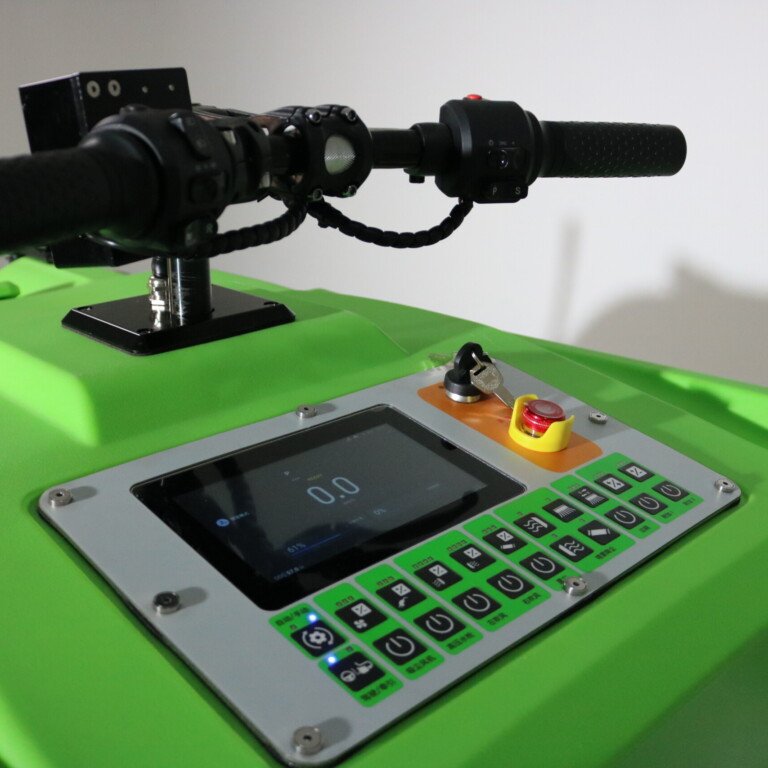
Many cities still rely on outdated cleaning methods—manual labor and inefficient machines. I vividly remember a time back in 2015 when I participated in a city cleanup event. The street sweeper available was so old that it frequently broke down, hampering our efforts. The inefficiencies of these traditional solutions can lead to inconsistent cleanliness, ultimately impacting the city’s image and residents’ quality of life. More importantly, local authorities often underestimate the need for advanced technology in cleaning operations.
Even with modern machines, users encounter hidden pain points. For example, many street sweeper vacuums struggle with heavy debris or require constant maintenance. In certain areas, a fresh coat of asphalt or ongoing construction can complicate cleaning even further. With these challenges in play, I firmly believe it’s crucial for municipalities to proactively evaluate their cleaning processes. So, how can we shift toward more sustainable solutions?
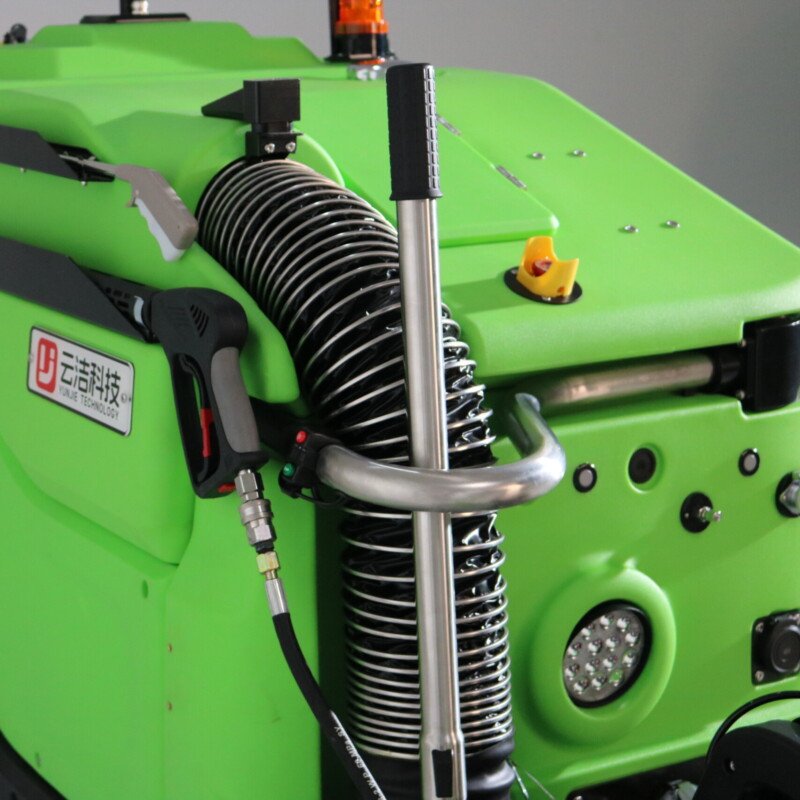
As we move forward, the focus is not just on cleaning, but on smart solutions. Today’s street sweeper vacuum models now integrate sensors and data analytics, allowing for real-time monitoring and efficient operation patterns. Can you imagine a future where street cleaning is entirely automated? This capability underscores the critical shift needed towards more effective technology aimed at urban maintenance.
I’m excited about urban areas that have pilot programs testing new street vacuum technologies, showing real change. For instance, cities adopting electric street sweepers have reported up to 30% lower operational costs and significantly reduced noise pollution. This is more than a win for local budgets; it’s a game-changer for community satisfaction and environmental liability.
In concluding my reflections, I want to emphasize the importance of measurable metrics when assessing street cleaning solutions. Here are three factors to consider: durability of the machine, operational cost-effectiveness, and environmental impact. Each of these elements plays a pivotal role in deciding which technology to invest in. In my extensive experience, I’ve seen that prudent investments here can lead to long-term urban cleanliness and community pride. I recall a city I worked with back in 2019, where investing in a modern vacuum system led to a surge in local satisfaction. That’s a return on investment worth contemplating.
Ultimately, as we continue to evolve our urban sanitation methods, embracing comprehensive solutions may not just improve the state of our streets but significantly enhance citizens’ daily experiences as well. I genuinely believe that we have only scratched the surface of what advanced street cleaning technologies can achieve. For additional insights on innovative urban cleaning solutions, check out the expert offerings from Greendorph.